Introduction to Foundation Cracks in Renfrew County
Foundation cracks are the most common structural issue homeowners face in Renfrew County. The region's position on the Canadian Shield, combined with extreme seasonal temperature swings of 50°C or more, creates unique stress patterns that produce characteristic crack types. Understanding what each crack pattern indicates is the first step toward making an informed repair decision.
Not every crack requires professional repair. Some are cosmetic results of concrete curing, while others signal structural issues that require engineered solutions. The key is knowing how to distinguish between them — and that starts with understanding crack orientation, width, and pattern.
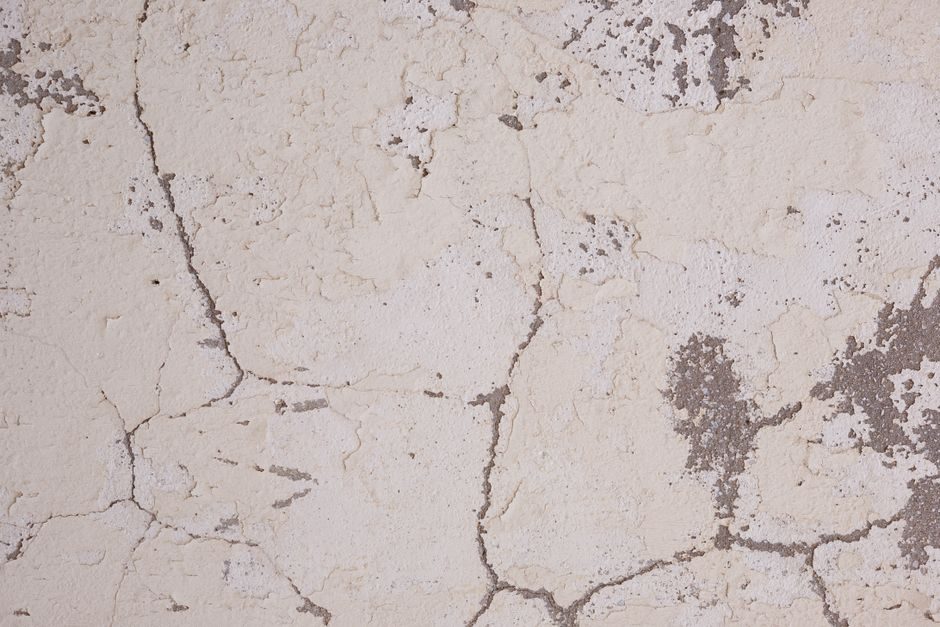
Vertical Cracks — Settlement Indicators
Vertical cracks in poured concrete foundations run roughly perpendicular to the ground. They are among the most common cracks found in Renfrew County homes, particularly those built on the clay soils of the Ottawa Valley corridor through Arnprior, Renfrew, Cobden, and Pembroke.
What vertical cracks indicate: Vertical cracks typically result from settlement — the foundation settling into the soil beneath it. In Renfrew County, this often happens when:
- Clay soils beneath footings experience moisture-related volume changes, alternately swelling and shrinking with seasonal precipitation
- Shallow footings on thin soil over Canadian Shield bedrock settle differently across the length of a wall, creating differential movement
- Soil compaction was inadequate during original construction, leading to gradual settling over years
When vertical cracks are a concern: A single vertical crack under 1/8 inch wide with no displacement (one side not higher than the other) is often cosmetic. Cracks wider than 1/4 inch, cracks with vertical displacement, or cracks that grow over time require professional evaluation. Multiple vertical cracks on the same wall may indicate widespread settlement issues.
Horizontal Cracks — Pressure Damage
Horizontal cracks run parallel to the ground and are the most concerning type of foundation crack. In Renfrew County, horizontal cracks are most often caused by lateral soil pressure against foundation walls — the result of frost heave during winter freezes or soil expansion during wet seasons.
What horizontal cracks indicate: A horizontal crack in a poured concrete wall or a horizontal separation in a concrete block wall signals that external pressure is pushing inward on the foundation wall. Common causes in Renfrew County include:
- Frost heave exerting lateral force against the wall during winter months
- Hydrostatic pressure from water-saturated soil pressing against the foundation after heavy rain or spring thaw
- Expansive clay soils in the Ottawa Valley swelling with moisture and pushing against walls
- Improper backfill compaction during construction leaving loose soil that later settles and exerts uneven pressure
Urgency: Horizontal cracks indicate significant structural stress. A horizontal crack that is accompanied by noticeable wall bowing (inward curvature) or that measures over 1/4 inch wide requires immediate professional evaluation. In Renfrew County, horizontal cracks often appear in basement walls that face the downhill side of a property where soil pressure is highest.
Diagonal Cracks — Differential Settlement
Diagonal cracks run at an angle, typically starting at a corner of a window, door, or foundation edge. They are common in Renfrew County homes where the foundation experiences differential settlement — one corner or section settling more than another.
What diagonal cracks indicate: Diagonal cracks are the signature sign of differential settlement, where one part of the foundation moves differently from another. This commonly occurs in Renfrew County when:
- Frost heave lifts one section of a foundation while an adjacent section on deeper soil or bedrock remains stable
- Tree roots near the foundation remove moisture from soil under one portion of the footings, causing uneven settlement
- An addition or attached garage on separate footings settles differently from the main structure
- Thin soil over Canadian Shield bedrock causes one corner to rest on rock while another sits on deeper soil
Assessment: Diagonal crack severity depends on width and whether the crack is active. Measure and photograph all diagonal cracks. Place a crack monitor (a simple piece of tape across the crack with a date) and check monthly for continued movement. Cracks wider than 1/4 inch or cracks that show continued growth over a single freeze-thaw season warrant structural evaluation.
Stair-Step Cracks in Block Foundations
Stair-step cracks follow the mortar joints in concrete block foundations, stepping up or down along the block pattern. Many older homes in Renfrew County have concrete block foundations, particularly those built before the 1970s when poured concrete became the standard.
What stair-step cracks indicate: Stair-step cracks indicate movement along the weak point of a block wall — the mortar joints. The underlying causes are similar to other crack types:
- Settlement of the footing beneath the block wall, causing the wall to crack along mortar lines
- Lateral pressure from frost heave or soil expansion pushing the wall inward
- Foundation movement from seasonal freeze-thaw cycles in Renfrew County's climate
Important distinction: A stair-step crack in a block foundation is generally more serious than a vertical crack in poured concrete because block walls have less tensile strength. Even a narrow stair-step crack 1/8 inch wide may indicate ongoing movement. If the crack shows displacement (one block surface higher than the adjacent block), structural stabilization is likely needed.
Renfrew County's Freeze-Thaw Effect on Poured Concrete
Renfrew County's freeze-thaw climate creates unique challenges for poured concrete foundations. Concrete is porous at the microscopic level. During winter, moisture that enters these microscopic pores freezes and expands, creating internal pressure within the concrete itself. Over multiple freeze-thaw cycles, this can cause:
- Spalling — the surface of the concrete flakes or peels away in layers
- Surface cracking — a network of fine cracks (crazing) on the concrete surface
- Widening of existing cracks as ice formation forces crack edges apart
- Scaling near the grade level where concrete is most exposed to moisture and freezing
Homes in Renfrew County communities like Barry's Bay, Killaloe, and the Bancroft area are particularly affected because the thin soil cover over bedrock means less insulation from cold temperatures, allowing deeper frost penetration into the soil adjacent to foundation walls.
When Repair Is Sufficient vs. Full Replacement
Understanding when crack repair is adequate versus when full wall replacement or structural reinforcement is necessary is critical. The decision depends on:
- Crack width and type: Hairline to moderate cracks (under 1/4 inch) in poured concrete without ongoing movement can typically be repaired with injection. Horizontal cracks or wide cracks with displacement may require reinforcement or replacement.
- Wall condition: A foundation wall that is structurally sound except for isolated cracks is a candidate for targeted repair. A wall that is bowing, crumbling, or showing multiple failure signs may need reinforcement (carbon fibre straps or wall anchors) or replacement of the affected section.
- Water infiltration: Cracks that actively leak water during spring thaw or heavy rain need sealing, but the root cause of the water intrusion — typically poor drainage — must also be addressed.
- Block foundations: Block walls with stair-step cracks throughout may require full reinforcement rather than individual crack repair, as the mortar joints represent a continuous weakness pattern.
Cost Comparison: Foundation Crack Repair Options
| Crack Type | Repair Method | Typical Range (CAD) | Lifespan |
|---|---|---|---|
| Hairline (under 1/16 in) | Cosmetic seal (hydraulic cement) | $50 – $200 | 2–5 years (surface only) |
| Vertical crack (poured concrete) | Epoxy injection | $400 – $1,000 | Life of building |
| Active water leak crack | Polyurethane injection | $300 – $800 | 5–15 years |
| Horizontal crack with bowing | Carbon fibre straps + polyurethane | $800 – $2,500 | 10–20 years |
| Stair-step (block foundation) | Epoxy or polyurethane injection of joints | $500 – $1,200 | 5–10 years (monitoring required) |
| Severe wall damage | Wall anchors or helical tiebacks | $3,000 – $8,000 | Permanent (with proper drainage) |
All figures in Canadian dollars. Actual costs depend on crack length, access conditions, foundation type, and your specific Renfrew County location. Always obtain multiple written quotes.
Drainage and Prevention
The best repair is worthless without addressing the conditions that caused the crack. In Renfrew County, proper drainage is the single most effective preventive measure. Ensure downspouts extend at least 6 feet from the foundation. Verify that exterior grading slopes away from the foundation wall at a minimum of 1 inch per foot over the first 3 feet. Check that window wells are clean and drains are functional. Consider installing a perimeter drainage system if your basement experiences regular moisture issues during spring thaw.
When to Involve a Structural Engineer
If you observe any of the following, a structural engineer should assess your foundation before any repair work begins: horizontal cracks of any size, cracks wider than 1/4 inch, stair-step cracks in block walls, wall bowing visible to the naked eye, cracks that grow over time, or cracks accompanied by water infiltration. An engineer's report may also be required for building permit applications for structural repairs in Renfrew County municipalities.
Related Resources
- Crack Injection & Waterproofing Guide — Detailed information about polyurethane and epoxy injection methods
- Underpinning & Stabilization Guide — For settlement-related foundation issues requiring deeper support
- Cost Guide — Full cost breakdowns for all foundation repair methods
- Hiring Guide — How to evaluate and select foundation repair contractors
- Seasonal Maintenance Guide — Prevention and monitoring throughout the year